Market: Bringing Festive Charm to Your Design Workflow
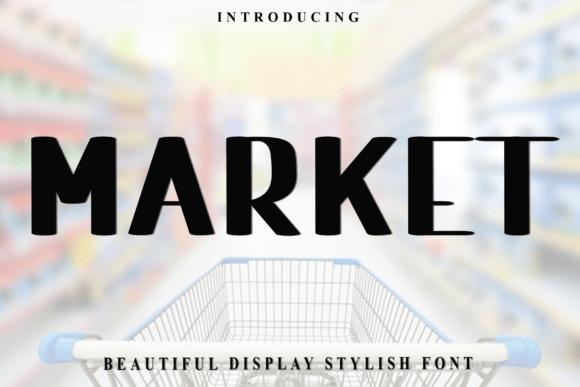
Typography plays a crucial role in shaping the tone and impact of visual communication. When the goal is to evoke holiday cheer or a nostalgic, whimsical mood, the choice of font becomes even more pivotal. Market is a decorative, festive typeface that stands out for its ability to infuse warmth and enchantment into seasonal projects. Whether you're designing greeting cards, gift tags, or promotional materials for the holidays, Market offers a distinctive aesthetic that aligns with both creative intent and practical execution.
Understanding Market in the Broader Design Ecosystem
Fonts are more than just stylistic choices—they're tools that influence how audiences perceive and interact with content. Market fits into the broader design process by serving as a thematic anchor for holiday and festive designs. Its ornamental qualities make it ideal for projects where emotional resonance and visual appeal are key, such as branding for seasonal campaigns, event invitations, or social media assets tied to celebrations.
Designers often work with a layered approach, combining display fonts like Market with more legible body fonts. This hierarchy ensures that headlines and accents stand out while maintaining readability in supporting text. Market's decorative elements make it a standout choice for titles, headers, and short bursts of text rather than extended paragraphs, aligning with best practices in visual hierarchy and user experience.
Integrating Market into the Creative Workflow
From initial concept to final delivery, typography choices like Market influence multiple stages of the creative process. Early in the design phase, selecting a font helps define the project's tone and informs other visual decisions such as color palette, layout, and imagery. Because Market is PUA encoded, it provides access to a full range of glyphs and ligatures, making it easy to enhance typographic detail without requiring special software or complex setup.
During the execution phase, Market can be used strategically to highlight key messages or add a touch of personality to seasonal branding. For example, a small business owner launching a holiday promotion might use Market for social media graphics and email headers to create a cohesive, festive look. Meanwhile, a graphic designer working on a client's holiday catalog might incorporate Market into section titles and product tags to maintain thematic consistency.
Before, During, and After Implementation
- Preparation: Before using Market, ensure your design tools support PUA-encoded fonts. Most modern design platforms like Adobe Illustrator, Photoshop, and Figma handle this format well. Consider how Market will interact with other design elements and whether it aligns with the overall visual strategy.
- Execution: During the design process, use Market selectively to avoid overwhelming the layout. Apply it to headlines, accents, or specific design elements where its decorative flair will have the most impact.
- Post-Production: After completing the design, review for consistency and readability. Confirm that Market's ornate style doesn't compromise legibility, especially in smaller sizes or digital formats with limited resolution.
Compatibility and Practical Use Across Platforms
One of the strengths of Market is its compatibility with a wide range of design tools and platforms. Whether you're working in Adobe Creative Cloud, Canva, or Figma, Market integrates smoothly, allowing for consistent results across different environments. Its PUA encoding ensures that all glyphs and ligatures are accessible without requiring advanced font management tools, which is especially useful for designers who work across multiple devices or collaborate with others.
For teams or freelancers who share files or work in collaborative settings, using a well-encoded font like Market helps maintain design integrity. It reduces the risk of missing fonts or inconsistent rendering, which can disrupt workflows and delay project timelines. Additionally, because Market is a display font, it's best suited for use in vector-based formats or high-resolution outputs where its intricate details can shine without pixelation.
Workflow Tips for Using Market Effectively
- Pair with complementary fonts: To maintain visual balance, pair Market with clean, sans-serif fonts for body text. This contrast enhances readability while allowing Market to serve as a strong visual accent.
- Use it sparingly: Given its ornate style, Market works best in short bursts. Avoid using it for long paragraphs or extensive UI elements where clarity is essential.
- Test across formats: Before finalizing a design, test Market in different output formats—print, digital, and mobile—to ensure it maintains its intended impact across mediums.
- Leverage ligatures and glyphs: Take advantage of Market's extended character set to add unique flourishes or stylistic elements that elevate your design without requiring additional illustration work.
Long-Term Value and Consistency
While Market is particularly well-suited for seasonal projects, its value extends beyond a single holiday campaign. When used consistently as part of a brand's seasonal identity, it can become a recognizable visual element that reinforces brand recognition over time. For example, a boutique retailer might use Market across multiple years of holiday marketing materials, creating a sense of continuity and nostalgia for returning customers.
Consistency is key when incorporating any decorative font into long-term branding. To maintain this, it's helpful to establish clear style guidelines that define when and how Market should be used. This includes specifying acceptable sizes, color treatments, and usage boundaries to ensure it doesn't become overused or visually overwhelming in future applications.
Real-World Applications and Use Cases
Market finds its place in a variety of real-world design scenarios where festive charm is a desired outcome. Here are a few practical examples:
- Holiday greeting cards: Use Market for titles and accent phrases to create a warm, handwritten feel that complements hand-drawn illustrations or classic holiday motifs.
- Gift tags and packaging: Incorporate Market into product packaging or gift labels to enhance the unboxing experience with a touch of holiday magic.
- Social media graphics: Apply Market to Instagram stories or Facebook posts that promote seasonal sales, events, or promotions, ensuring a cohesive and engaging visual theme.
- Print advertisements: Designers working on holiday ads for magazines or local newspapers can use Market to capture attention and convey a sense of tradition and celebration.
Each of these applications benefits from Market's ability to communicate tone and emotion through typography. By integrating it thoughtfully into these contexts, designers can enhance visual storytelling without sacrificing clarity or professionalism.
Conclusion: Making Market a Part of Your Design Toolkit
Incorporating Market into your design workflow isn't just about choosing a festive font—it's about enhancing the emotional impact of your work while maintaining practical design standards. From concept to delivery, Market offers a blend of visual appeal and functional flexibility that makes it a valuable addition to any designer's toolkit, especially during the holiday season.
Whether you're a professional designer, a small business owner handling your own marketing materials, or a creative hobbyist working on personal projects, Market provides a way to elevate your typography with minimal effort. Its PUA encoding, compatibility with major design tools, and thematic versatility make it an efficient and expressive choice for seasonal design needs.
By understanding how Market fits into your broader workflow and applying it with intention, you can create designs that not only look beautiful but also resonate more deeply with your audience.