Thorny Font: Integrating Bold Typography into Real-World Creative Workflows
Typography plays a pivotal role in design, influencing everything from brand perception to user engagement. Among the growing selection of modern typefaces, Thorny stands out as a versatile and visually compelling option for professionals across creative and business fields. Whether you're a graphic designer, marketer, small business owner, or hobbyist, Thorny offers a unique blend of style and functionality that can enhance your projects without complicating your workflow.
Understanding Thorny: A Type of Visual Impact
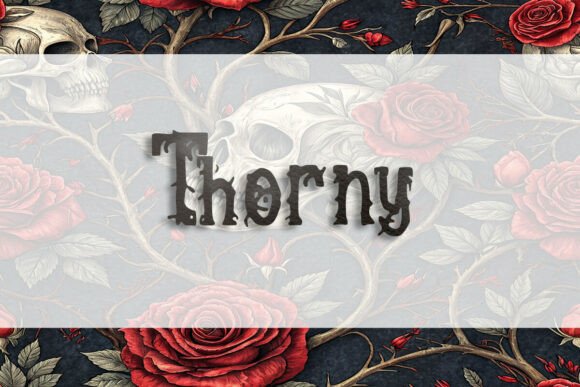
Thorny is a stylized, handcrafted font that combines sharp, angular lines with a slightly irregular rhythm. It's often used in designs that require a bold, expressive touch—think branding materials, product packaging, and digital graphics. Unlike more rigid or formal fonts, Thorny introduces a sense of personality and authenticity, making it ideal for creative professionals who want to stand out without sacrificing readability.
While Thorny is not a default system font, it can be easily integrated into most design workflows via downloadable files or design platforms that support custom typography. Its adaptability makes it a practical choice for both digital and print applications, from social media posts to physical merchandise like t-shirts and stickers.
Thorny in the Design Process: From Concept to Execution
Design workflows often begin with conceptualization and asset gathering. Thorny can be introduced early in this process, especially when a project calls for a strong typographic presence. For instance, during the ideation phase of a brand identity project, choosing Thorny as a signature font can influence the overall aesthetic direction, from logo design to color schemes.
During the production phase, Thorny integrates smoothly into common design tools such as Adobe Illustrator, Photoshop, and Canva. Designers can import the font file and apply it to headlines, subheadings, or supporting text elements. Because of its distinct character, Thorny is best used for short-form text—such as slogans, titles, or call-out boxes—where visual impact is key.
Post-production, Thorny’s consistent structure ensures legibility across different mediums. Whether printed on a poster or embedded in a digital SVG file, the font maintains its clarity and style. This reliability is especially important for entrepreneurs and creators who need to maintain brand consistency across multiple touchpoints.
Where Thorny Fits: Use Cases and Practical Applications
Thorny's versatility makes it suitable for a variety of applications. Here are several scenarios where Thorny can be effectively utilized:
- Brand Identity: Thorny can serve as a defining typographic element in a brand’s visual language, particularly for brands that want to convey a modern, edgy, or artisanal feel.
- Merchandise Design: From t-shirts to stickers, Thorny’s bold structure ensures legibility and impact even at smaller sizes or on textured surfaces.
- Print and Digital Media: Whether used in magazine layouts or personalized greeting cards, Thorny adds a touch of originality without overwhelming the design.
- Personalized Projects: Hobbyists and crafters using tools like Cricut or Silhouette machines often find Thorny enhances the visual appeal of DIY projects, including invitations, wall art, and seasonal decorations.
- Social Media Graphics: Thorny can help content creators differentiate their visuals on platforms like Instagram and Pinterest, where typography plays a major role in capturing attention.
Integrating Thorny into Your Workflow: Tips and Considerations
Successfully incorporating Thorny into your design workflow requires some planning and attention to detail. Here are a few practical tips to help you get the most out of this font:
- Start with a Clear Purpose: Determine the role Thorny will play in your project. Will it be used for headlines, logos, or decorative elements? Knowing this helps you choose the right size, color, and layout.
- Check Compatibility: Ensure the design software you use supports custom fonts. Most modern tools do, but it's always a good idea to test the font in your preferred platform before committing to it.
- Pair Thoughtfully: Thorny works best when paired with simpler, more neutral fonts. Consider using it for headlines and a sans-serif font for body text to maintain readability and balance.
- Test Across Formats: If your project will be used in both print and digital formats, test Thorny in both environments. This helps ensure consistency and legibility across different mediums.
- Organize Font Files: Keep your Thorny font files organized in a designated folder or font manager. This makes it easier to locate and install the font when needed.
Ensuring Quality and Long-Term Use
When integrating any custom font into your workflow, it's important to consider long-term usability. Thorny, like any premium font, should be properly licensed for the intended use—whether personal, commercial, or web-based. Always verify licensing terms before deploying the font in client work or large-scale projects.
Additionally, maintaining a clean and consistent typographic system helps streamline future design efforts. If you're using Thorny as part of a brand identity, document its usage in a style guide. This ensures that other team members or collaborators can apply the font correctly across different materials.
Thorny and Collaboration: Working with Others
Collaboration is a common part of creative workflows, especially in team-based environments. When using Thorny with others, it's essential to share the font file or ensure all collaborators have access to it. Most design platforms allow for font syncing, but it's always a good idea to double-check that the font displays correctly on all devices.
If you're handing off a project to a client or another designer, include the Thorny font in the asset package. This helps maintain design integrity and prevents unintended font substitutions that could alter the visual outcome.
Final Thoughts: Making Thorny Part of Your Toolkit
Incorporating Thorny into your creative toolkit doesn't have to be complicated. With its strong visual presence and adaptability across design platforms, Thorny offers a practical solution for professionals who want to elevate their typography without sacrificing efficiency.
Whether you're crafting a logo, designing a t-shirt, or creating a social media post, Thorny can help you achieve a polished, distinctive look. By understanding how to integrate it into your workflow—considering compatibility, organization, and long-term use—you can ensure that Thorny enhances your creative process rather than complicating it.
As with any design element, the key is to use Thorny thoughtfully. When applied with intention and paired with complementary design choices, Thorny becomes more than just a font—it becomes a signature style that reflects your creative voice.